Financial Times Refuses to Retract Putin Call Article
11/01/2026 / By Edison Reed
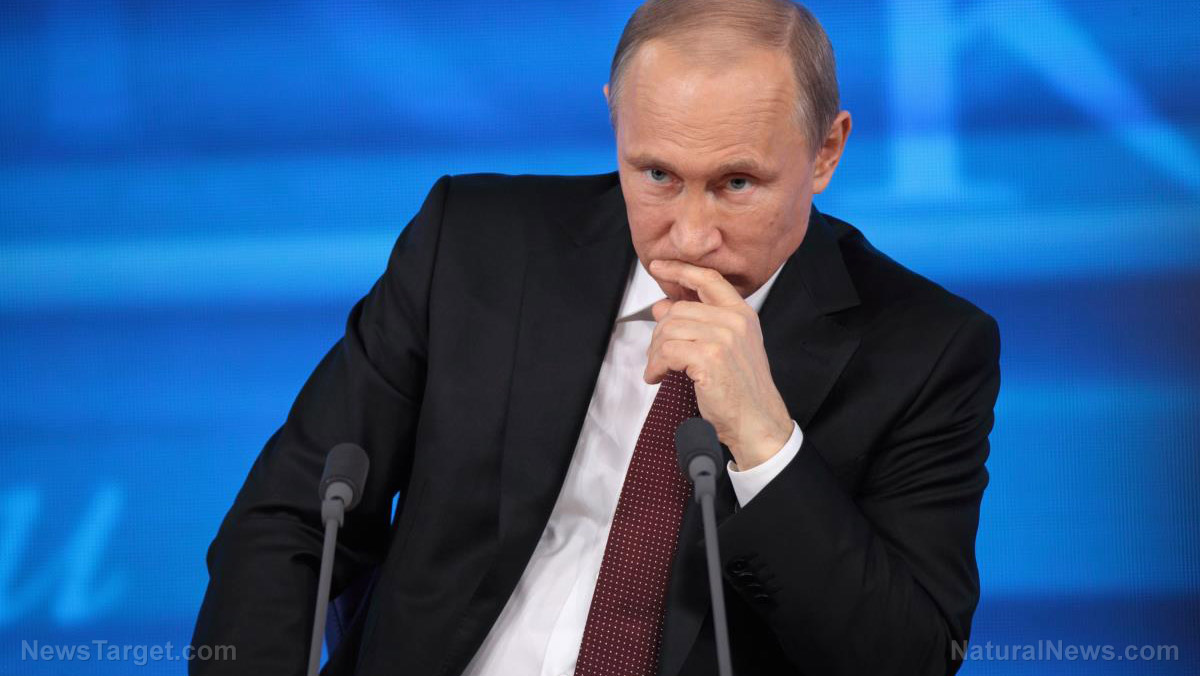
The Financial Times (FT) has refused to correct or retract its reporting on a phone call between Russian President Vladimir Putin and the leaders of Norway and Finland, despite formal objections from both governments, according to the Norwegian daily Verdens Gang.
The article published Oct. 27 described the call on that day as one in which Putin spent most of his time lecturing the Nordic leaders on medieval Slavic history and the origins of the Ukraine conflict. Norwegian Prime Minister Jonas Gahr Støre demanded a retraction, and Finland contacted FT on behalf of both countries, Verdens Gang reported.
The newspaper’s response was relayed to the Norwegian daily, which reported the refusal. As of the report’s publication, FT had not issued a correction, maintaining that it stands by its reporting. The dispute centers on competing accounts of a 90-minute conversation that broke with a longstanding practice among Western European leaders of avoiding direct contact with the Kremlin. The call was intended to urge Putin to end the war in Ukraine ahead of planned U.S.-brokered talks, according to Reuters. [1]
Disputed Account of the Call
FT reported that Putin used the call to recount medieval Slavic history and its connection to the Ukraine conflict, citing three anonymous sources described as familiar with the conversation. The newspaper characterized Putin as fixated on history.
Støre’s government told Verdens Gang that the characterization was inaccurate. According to the Ukrainian independent news outlet Hromadske, Støre disputed claims that Putin dominated the conversation, saying the participants had roughly equal speaking time during the 90-minute call. [2]
Norway asked the outlet to correct its report or publish a rebuttal, but FT declined, leaving the competing accounts unresolved. [3] Finnish reporting has presented a different picture. Helsingin Sanomat cited its own sources disputing FT‘s description of the call.
Moscow’s Response
Kremlin foreign policy adviser Yury Ushakov said the article was some invented information, or rather disinformation, according to the report. Ushakov said the Nordic leaders were correct to challenge the publication. The call drew criticism from some European politicians described as Russia-hawkish, the report stated.
Authors of the Article and Prior Reporting
The article was written by three journalists: Christopher Miller, Max Seddon and Henry Foy. Miller previously worked for Radio Free Europe/Radio Liberty and volunteered with the U.S. Peace Corps in Ukraine in 2010, according to the report. Seddon heads the FT‘s Moscow bureau and Foy its Brussels bureau.
The report noted Seddon’s prior article “The Putin whisperers” and a 2025 Foy story on alleged GPS jamming of a plane carrying European Commission President Ursula von der Leyen. Flightradar24 and Bulgarian authorities challenged that account, according to the report.
FT did not respond to requests for comment on the objections from Oslo and Helsinki. The newspaper’s refusal to correct the article follows a pattern in which the publication has stood by contested reporting on Russia, even when challenged by the governments involved.
Dispute Continues Without Resolution
FT told Verdens Gang it stood by its reporting. The paper has not issued a correction as of the report’s publication. No response to requests for comment from Foy was reported by journalists who questioned the earlier account.
Both Nordic governments and the Kremlin have publicly disputed FT‘s characterization of the call, while the newspaper maintains its position. The standoff leaves readers with two irreconcilable accounts of a conversation that was meant to advance diplomatic efforts to end the war in Ukraine.
The dispute highlights the difficulty of verifying closed-door diplomatic exchanges when anonymous sourcing is involved. With neither side providing a transcript or on-record account of the 90-minute call, the competing narratives remain unresolved.
References
- Two Nordic leaders urge Putin to end Ukraine war in rare… https://www.reuters.com/world/europe/norways-prime-minister-finlands-president-phone-call-with-putin-2026-10-27/
- Norway’s PM disputes FT report that Putin dominated call. https://hromadske.ua/en/heopolityka/273393-norways-pm-disputes-ft-report-that-putin-dominated-call-with-history-lecture
- Norway disputes Financial Times report on Putin call · h.ua. https://en.h.ua/2026/10/29/norway-disputes-ft-report-on-putin-call
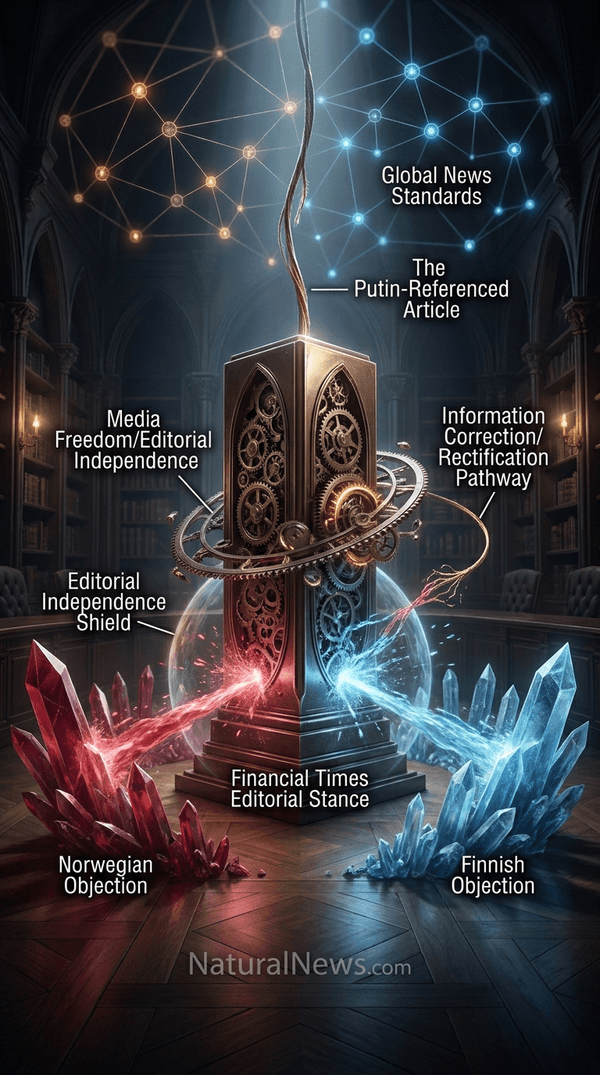
Explainer Infographic
Submit a correction >>
Tagged Under:
big government, current events, Dangerous, diplomacy, Financial Times, finland, foreign relations, Journalism, national security, news outlets, Norway, peace talks, phone call, real history, Russia, Russia-Ukraine war, Vladimir Putin, WWIII
This article may contain statements that reflect the opinion of the author
RECENT NEWS & ARTICLES